United States
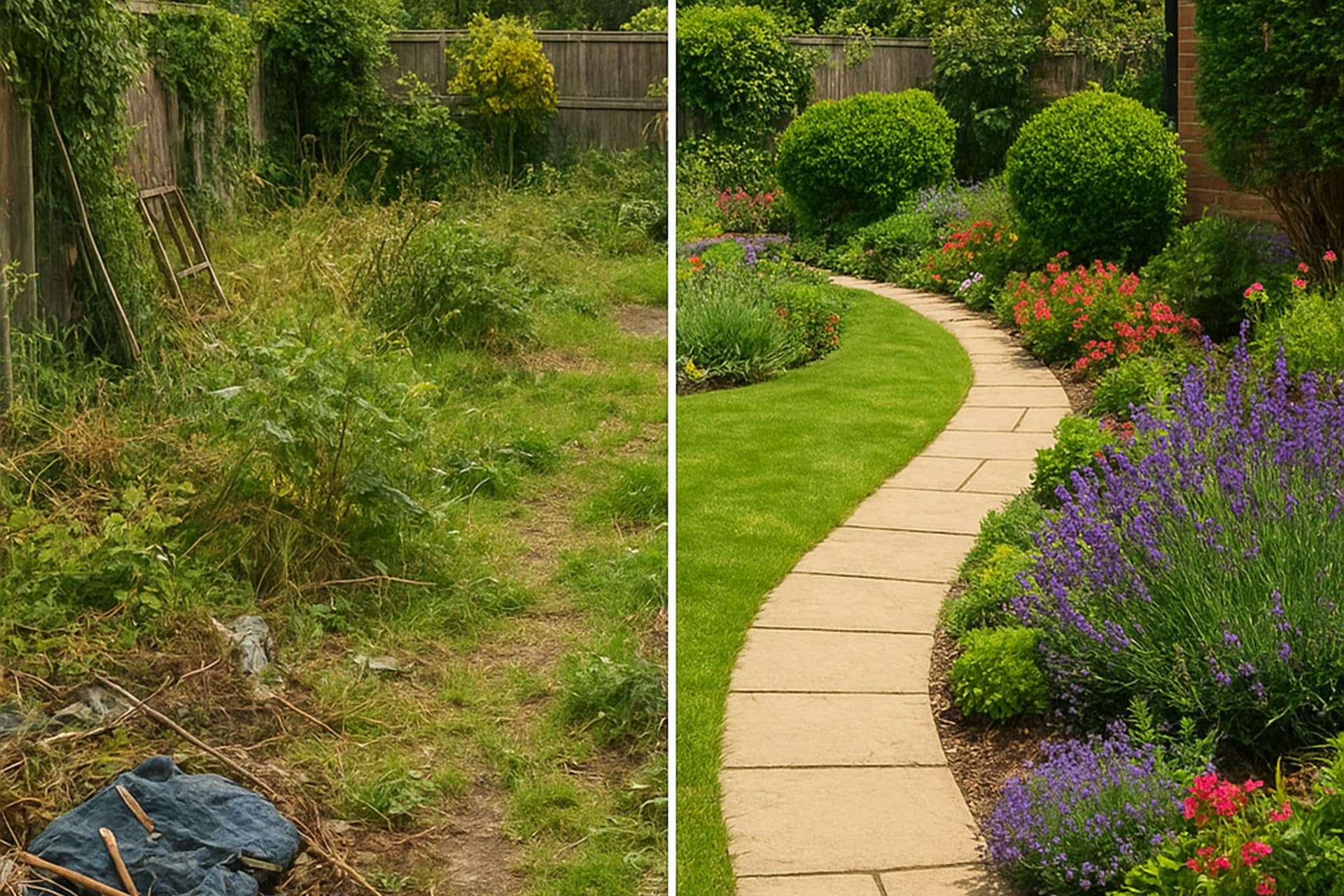
AI Garden Design From a Photo
Upload a photo and explore AI garden design ideas for paths, planting, lighting, seating, and low-maintenance layout ideas with Home Aura. Try Home Aura today.
What you can do with Home Aura
Photo-based results
Upload your photo and preview realistic design directions.
Style + palette ideas
Try modern, minimalist, cozy, luxury, and more with AI-driven color suggestions.
Fast iterations
Generate multiple options to compare layouts, lighting, decor, and finishes.
Upload a photo of your garden and test realistic AI design directions before you buy materials, move furniture, or start a remodel.
Use Home Aura to compare layout, style, lighting, and finish ideas for your current space so the results stay practical, personal, and easier to act on.
Design ideas you can generate
- Layout ideas for your garden based on your current photo
- Style and color directions that match your finishes and natural light
- Lighting, storage, furniture, and decor ideas you can compare side by side
Practical tips (AI-first)
- Use a bright, straight-on photo for more accurate results.
- Start with one goal, such as better storage, a lighter look, or a more modern style.
- Keep fixed elements in your prompt so the result stays realistic and buildable.
Garden AI interior design: styles, layout & color ideas
Below are practical, room-specific ideas to support AI interior design decisions for your garden — including styles, a checklist, common mistakes, and example prompts.
Popular styles for this room
- Modern minimalist garden (clean lines + low maintenance)
- Cozy backyard lounge (seating + warm lighting)
- Mediterranean-inspired (gravel + drought-tolerant plants)
- Cottage modern (soft planting + natural textures)
- Outdoor dining focus (pergola + lighting)
Room design checklist
- Define zones: dining, lounge, planting, paths
- Use lighting for evening usability
- Choose plants that match climate + maintenance level
- Add structure: pergola, edging, planters
- Pick 2–3 materials for consistency
Common mistakes to avoid
- No paths/flow between zones
- Too many different materials
- Plants placed without growth/size planning
- No shade plan for seating areas
Example AI prompts (copy/paste)
- Modern garden redesign, minimalist landscaping, clean paths, low maintenance plants, warm lighting, realistic daylight
- Small backyard makeover, cozy lounge seating, string lights, greenery, modern style
- Mediterranean garden, gravel, olive trees, drought tolerant plants, warm tones, sunny daylight
- Outdoor dining area, pergola, patio, warm lighting, modern landscape design
- Family-friendly garden, lawn + path, planting beds, simple modern landscaping
Garden: small spaces, layouts & realistic constraints
If your Garden is small or has a tricky layout, add clear constraints before generating: what must stay, what can change, and what circulation space you need to keep. This makes AI interior design outputs far more usable.
Choose 1–2 priorities (more storage, better lighting, calmer style) and generate multiple variations with the same baseline constraints. You’ll compare “apples to apples” and decide faster.
Photo → AI design: get cleaner Garden results
Start with a bright, tidy photo (wide angle helps). In your prompt, list fixed elements (floors, tiles, windows, cabinets) and the realism level (e.g., “no structural changes”).
If results look overly rendered, ask for “realistic lighting”, “natural proportions”, and “keep the existing layout”. These constraints reduce “too perfect” outputs and keep ideas buildable.
Garden long-tail design topics
Extra subtopics to capture more specific searches and strengthen topical depth.
Low-maintenance planting plan
For garden AI design, specify maintenance level and climate vibe. This helps the AI choose believable plant density and materials.
- Keep plant palette simple (5–8 plant types max)
- Request realistic mature sizes and spacing
- Add edging + path materials for structure
Outdoor dining, seating & lighting
Outdoor usability is mostly seating and lighting. Prompt for zones and warm lighting to keep the space inviting at night.
- Ambient lights + task lights (avoid a single harsh source)
- Add shade (pergola/umbrella) for daytime comfort
- Keep materials consistent: 2–3 materials max
Related guides
Go deeper with practical workflows, prompt templates, and photo tips.
AI Exterior Design From a Photo: Curb Appeal Ideas in Minutes
Generate exterior design ideas from a photo: siding colors, materials, landscaping vibes, and lighting concepts—then narrow to what’s buildable.
Read guide →
Best Prompts for AI Home Design (With Examples You Can Reuse)
Copy-and-paste prompt templates for AI home design: style, lighting, materials, and constraints—plus examples for living rooms and kitchens.
Read guide →
AI Home Design Photo Privacy: What to Upload (and What to Blur)
A privacy-first checklist for AI home design: what photos to upload, what to avoid capturing, and simple steps to stay comfortable.
Read guide →
View all articles
Explore the full blog for AI interior design and AI home design tips.
Go to blog →
Frequently asked questions
How does AI garden design work?
Upload a photo, choose a style, and Home Aura generates design directions for layout, colors, and decor.
Can I compare multiple styles?
Yes. Generate a few options (e.g. modern vs minimalist) and compare side-by-side.
What photo works best?
Bright, sharp photos with a clear view of the room typically produce better results.